

I had a woman sit down at my bar the other day and ask me how I was doing, and I responded like I typically do when a customer asks, “Good, and you?” She responds, “I’m doing alright. I just got done with a simulation for nursing school.” When I hear her say this, I chuckle a little. In my head, I think, “Oh, girl. You’re putting it nicely when you say you’re doing alright.” During our conversation, I chuckled at something she said, causing her to give me a strange look. To reassure her, I mentioned that I am a nurse and fully understood what she meant, and we began discussing nursing school. Our conversation focused on the SIM lab and the pressures associated with it. She shared her negative experience with her most recent SIM lab, which caused her significant stress. One of her main stressors was the anxiety about going into the simulation.
Let’s talk about simulation anxiety in nursing school. It’s something that many nursing students experience, and it’s entirely normal. In fact, it’s a sign that you care deeply about your future patients and want to provide the best possible care. So, if you’re feeling anxious about SIM lab, please know that you’re not alone, and it’s okay.
Simulation labs are a crucial part of nursing education. They provide students with a safe and controlled environment to practice and refine their clinical skills. However, the pressure to perform in these simulated scenarios can be overwhelming. Here are some tips for dealing with simulation anxiety:
1. Talk Your Way Through It:
One effective strategy is to talk your way through the simulation. Just like in real patient care, communication is key. Explain your thought process as you perform tasks and make decisions. Whether your actions are right or wrong, your teacher should be there to guide you and understand where you came up with your answer. This not only helps you stay focused but also demonstrates your critical thinking skills.
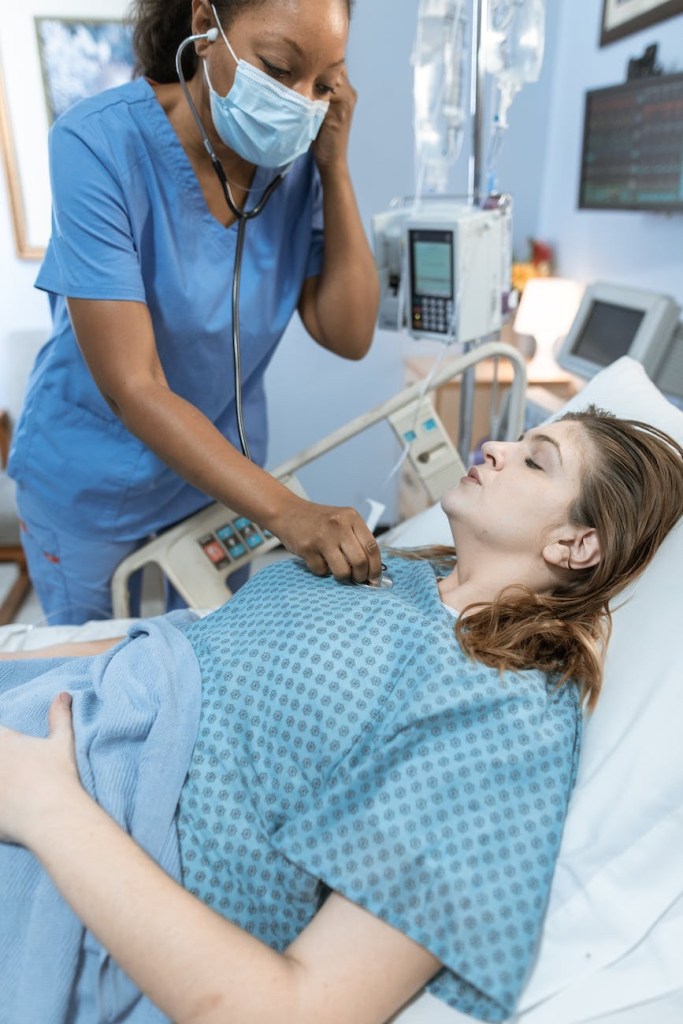
2. Prepare and Practice:
The more you practice, the more confident you’ll become. Spend extra time in the skills lab practicing the procedures and tasks you’ll encounter in the simulation. Familiarity with the equipment and procedures will boost your confidence.
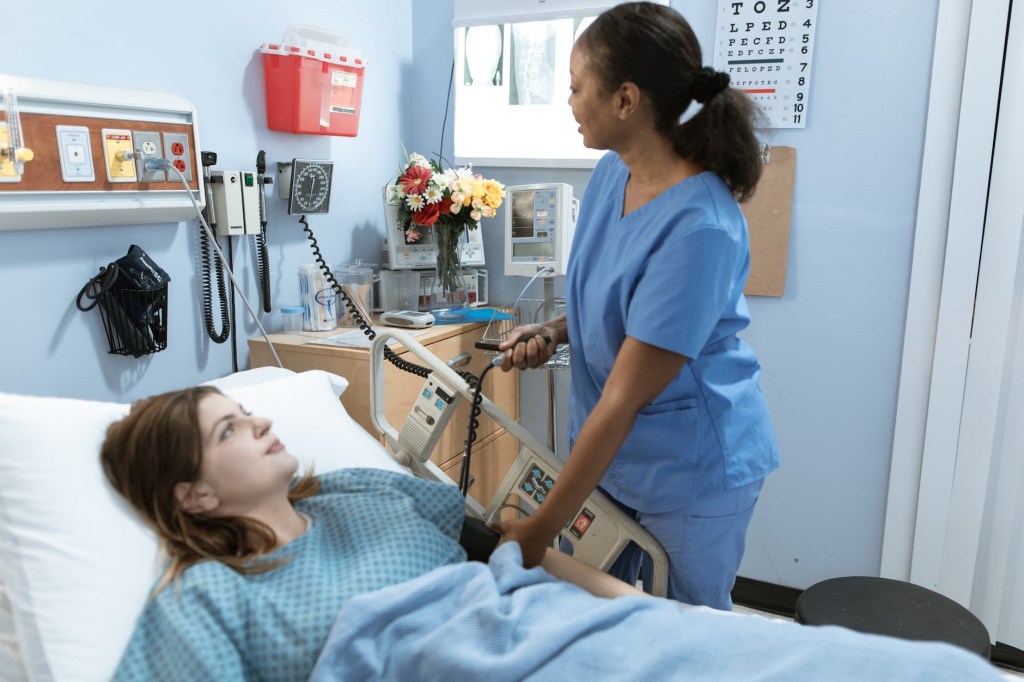
3. Collaborate with Peers:
Don’t hesitate to collaborate with your classmates. Discuss your anxieties and strategies for dealing with simulation scenarios. Learning from each other’s experiences can be incredibly valuable.

4. Seek Feedback:
After each simulation, seek feedback from your instructors. Understand what you did well and where you can improve. Constructive feedback is a powerful tool for growth.

Progress is born from reflection.
5. Self-Care:
Nursing school is demanding, and simulation anxiety can add to the stress. Make sure to prioritize self-care. Get enough sleep, eat healthily, and find time to relax. A healthy mind and body will help you perform better in simulations.





Remember, simulation anxiety is a natural part of the learning process in nursing school. It’s a sign that you’re taking your education seriously and want to be the best nurse you can be. So, embrace it as a stepping stone on your journey to becoming a skilled and compassionate healthcare provider. You’ve got this!

Self-care is a vital component of maintaining overall well-being. Taking the time to prioritize self-care can lead to improved physical and mental health. Whether it’s practicing mindfulness, indulging in a spa day, or simply setting aside moments for self-reflection, self-care comes in various forms. For tips and tricks to enhance your self-care routine, be sure to explore some of my other blog posts. They are filled with valuable insights and actionable advice that can help you cultivate a healthier and more balanced lifestyle. Remember, self-care is not selfish; it’s a necessary act of self-love that benefits both you and those around you.
 In Need of Nature
Leave a comment