
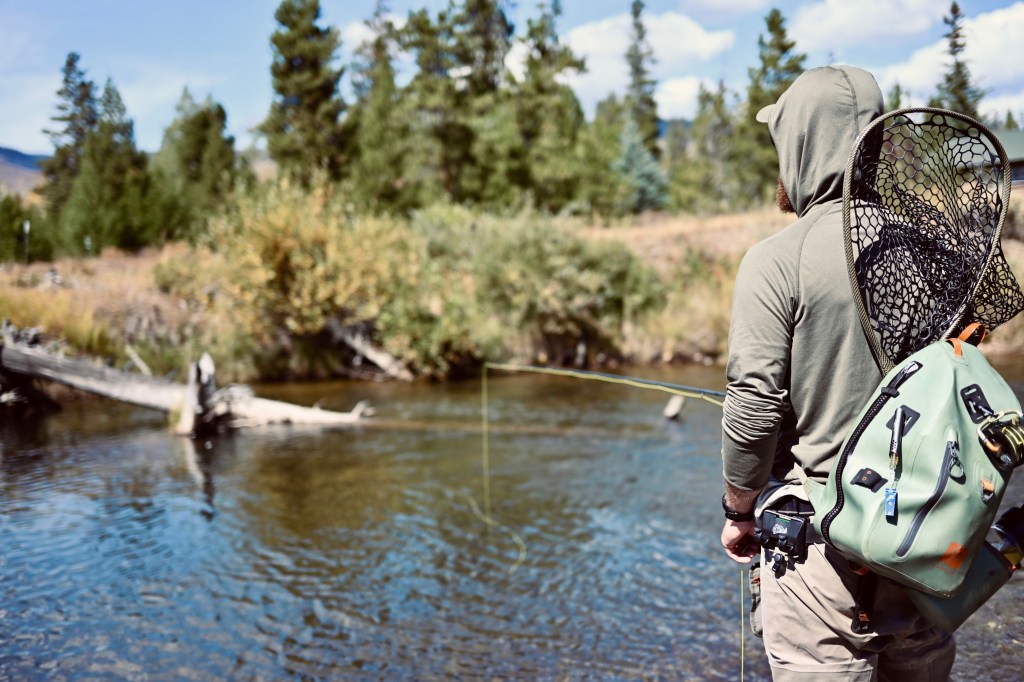
“People who push back on your boundaries are often the ones benefiting from you not having them in the first place.”
Why Making Space for Yourself Isn’t Selfish
“Self-care” gets tossed around so casually that it’s almost lost its meaning. To many, it sounds like a bubble bath or a guilty pleasure. But when life comes at you hard—piling on grief, responsibility, and the relentless pressure to stay productive—self-care stops being optional. It becomes survival.
Taking time for yourself doesn’t always come naturally, and it doesn’t always come without resistance. People will question why you need it, or expect you to carry on as if nothing’s changed. But no one else is going to hand you space to recharge. You have to take it—and sometimes, you have to defend it.
Grief, Responsibility, and the Hidden Weight
When my dad passed away, grief arrived like a tidal wave. But what made it even heavier were the responsibilities that came with it: the house, the lawyers, the endless paperwork, the belongings that needed to be sold or transferred into my name.
Each task carried an emotional undertone. Sorting through his things wasn’t just logistics—it was memories. Handling legal matters wasn’t just business—it was another reminder of loss. Even when I wasn’t actively working on these things, the weight followed me everywhere.
And while people mean well, not everyone understands how draining this kind of responsibility can be. Some expect you to keep up your usual pace. Some don’t see why you’d need time alone. Others push back when you protect your energy.
That’s when I realized: protecting my time and space isn’t selfish—it’s survival.
The Trap of Endless Productivity
My husband and I are wired to work hard. We’re always moving, always pushing ourselves to be productive, always looking for the next step forward. In many ways, it’s a gift—it allows us to create, build, and grow.
But the flip side of that drive is dangerous: rest starts to feel undeserved. The inner voice whispers, If you’re not producing, you’re falling behind.
That voice is wrong—but it’s persuasive. Which is why we’ve had to get intentional about slowing down. For us, that reset looks like something a little unexpected: fishing.
Our Reset Ritual: Fishing
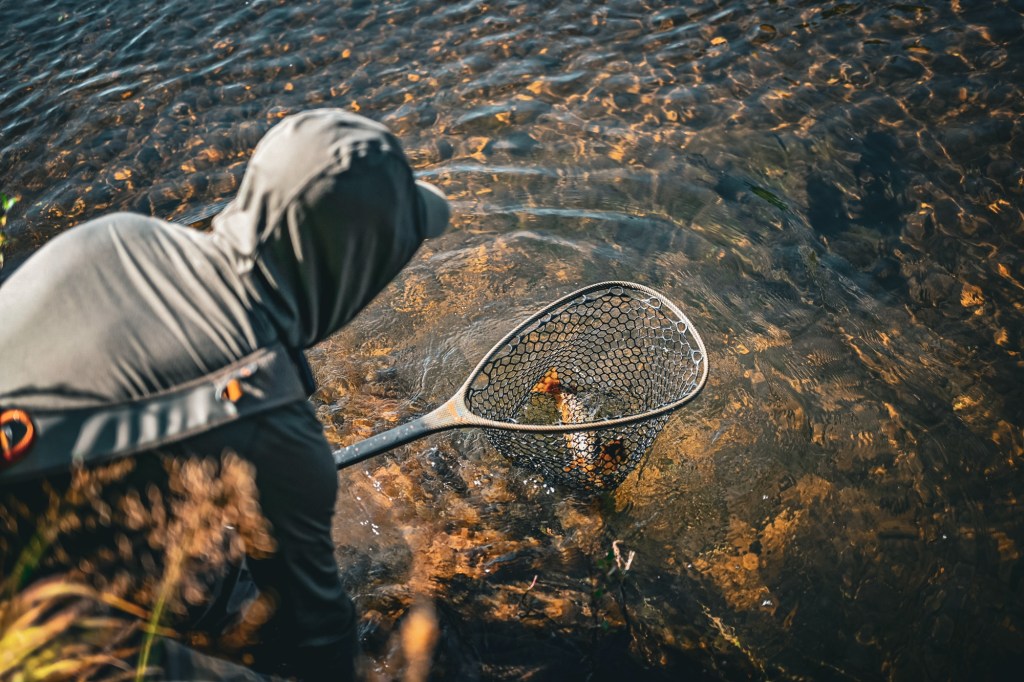
Fishing might not sound like self-care at first glance. But for us, it’s become a lifeline.
I’ll admit—if it were up to me alone, I’d probably never make it out there. The gear, the setup, the planning—it would feel like too much. But my husband makes it easy. He packs the car, gathers the snacks, gets the cooler ready, and makes sure I have the right clothes for the day.
All I have to do is change, brush my teeth, put on deodorant, and climb in the car. From there, the ritual begins.
Sometimes we hike into hidden spots, other times it’s a simple walk. Either way, the rhythm of the trip helps me shift gears. By the time we’re near the water, rods in hand, the noise of daily life has already started to fade.
Fishing slows my mind. The repetition of casting, the stillness of waiting, the way the water pulls my focus—it’s meditative. For a few hours, grief and responsibility feel distant. They’ll still be there when I return, but out on the water, I get a break.
Photography: My Way of Joining In
Here’s the truth: sometimes I don’t even fish. Sometimes I spend the day taking pictures of my husband and the landscape around us.
Photography has always been a love of mine. Capturing the stillness of the water, the light on the trees, the focus on my husband’s face while he’s fishing—it’s grounding. It’s my way of being fully present without needing to participate in the same way.
Over time, we’ve found a rhythm that lets us weave our loves together. He fishes, I photograph. Sometimes we switch. Sometimes we both fish. Either way, we leave the day feeling stronger, calmer, and more connected.
That’s been one of the greatest lessons for us: making space for each other’s passions strengthens our bond. Instead of competing for attention, we share time in a way that fills us both up.
Why Protecting Space Matters
Here’s the reality: life won’t hand you perfect windows of rest. If anything, it keeps demanding more. Work deadlines. Family obligations. Grief. Responsibilities. If you wait for the world to give you space, you’ll wait forever.
That’s why setting boundaries around your time is non-negotiable. Without it, you run yourself into the ground. Without it, you show up half-present in everything you do. Without it, your health, your relationships, and your peace all take the hit.
And yes—people may push back. They might see your boundaries as selfish. They might not understand why you need space. But the truth is, people who resist your boundaries are often the ones who benefit from you not having them.
The Power of Partnership
I’m not sure I’d be as consistent about protecting my space without my husband. His commitment to rest helps normalize mine. He doesn’t just talk about balance—he leads by example. When he packs the car for fishing, he’s not just preparing gear; he’s making sure we follow through on something that matters to both of us.
Rest doesn’t always have to be a solo mission. Sometimes it’s a shared commitment, a way of reminding each other that downtime isn’t wasted time—it’s fuel.
And for us, it’s become more than that. It’s a practice that keeps us connected. Fishing and photography might seem simple, but they’ve given us a way to incorporate both of our passions into one shared ritual. In a world that constantly pulls couples in a hundred directions, that’s been priceless.
Learning to Say No
One of the hardest skills in all of this has been learning to say no. No to overcommitting. No to running myself into the ground. No to being endlessly available when I’m already drained.
Saying no doesn’t mean I don’t care. It means I care enough to protect what matters: my health, my peace, my marriage, and my ability to show up fully when it counts.
The more I practice it, the more I realize this truth: if you never stop giving, people rarely tell you to slow down. They just keep taking.
Reclaiming Space Beyond Productivity
Fishing, photography, grief, boundaries—it all connects to the same bigger picture: learning to exist beyond productivity.
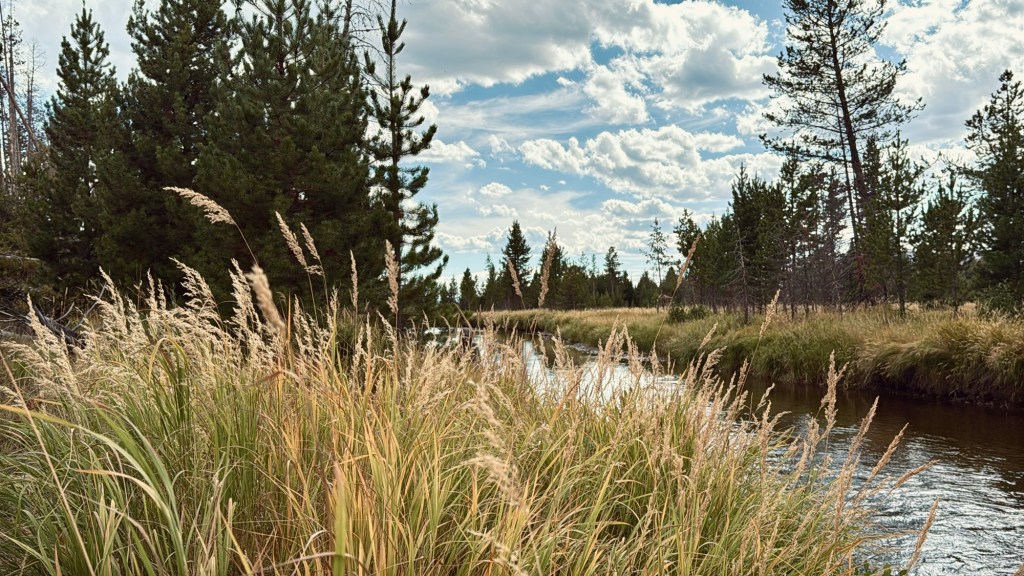
For me, that means afternoons near the water, with my husband by my side, sometimes casting a line and sometimes snapping a photo. For someone else, it might mean gardening, painting, reading, or simply sitting in silence.
The activity itself isn’t the point. The point is to claim space for yourself, to honor the need for rest, to give your mind and heart a chance to recover.
It’s about survival. It’s about balance. And ultimately, it’s about reclaiming the right to live as more than just a producer of results.
Final Thoughts: Defending the Space That Saves You
Taking time for yourself isn’t selfish. It’s necessary. And if people give pushback, let them. At the end of the day, no one else is carrying your grief, your responsibilities, or your mental load. Only you know what it takes to sustain yourself.
For me, it’s those fishing trips. Sometimes with a rod in my hand, sometimes with my camera pressed to my eye. Always with my husband nearby, reminding me that protecting our peace is worth the effort.
I don’t expect everyone to understand. But I don’t need them to. What I need is the reset, the quiet, the permission to step away so I can come back stronger.
And that’s worth defending—every single time.
Call to Action
What’s your version of fishing?
Maybe it’s painting. Maybe it’s hiking. Maybe it’s curling up with a good book or baking bread on a quiet Sunday. Whatever it is, it matters.
Claim it. Protect it. Defend it.
Because the world won’t always understand why you need it—but your soul will thank you when you do.
 In Need of Nature
Leave a comment