
Intro
There’s something oddly soothing about pulling a shot of espresso. The sound of the grinder. The weight of the portafilter. The way the crema forms like a tiny universe on top of a perfect pull.
I’ll be honest — I think I like making coffee more than drinking it.
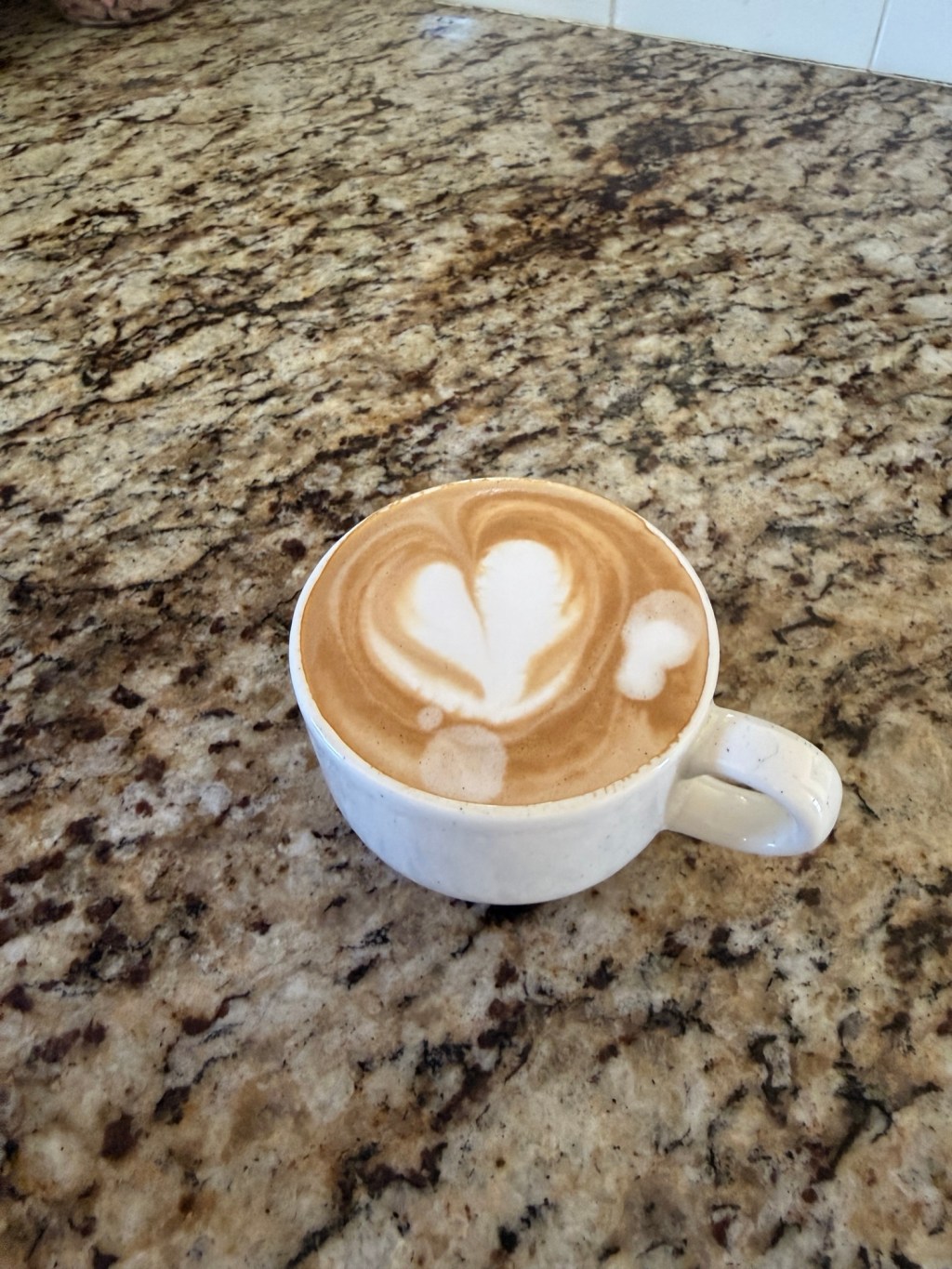
This isn’t my first time touching an espresso machine, and it definitely isn’t my first time attempting latte art… but it is the first time I’ve decided to really document the process. The messy pours. The too-thin milk. The times my husband and I stare at a cup trying to decide if that blob is a heart or a confused potato.
And that’s what this is about: trying, learning, improving — not pretending to be perfect.
Why Cappuccinos and Latte Art?
Cappuccinos are one of those drinks that look deceptively simple. Espresso. Steamed milk. Foam. But the balance is everything.
Too much foam? You get a cloud.
Too little? You get a latte.
Milk too hot? It dies.
Milk too cold? It won’t stretch.
Latte art takes that delicate balance and turns it into something visual — a tiny, fleeting moment of beauty in a cup. You drink it five minutes later, but you still remember the way it looked.
That’s why I keep chasing it.
Not perfection — just better than yesterday.
Our Very Real Learning Curve
My husband and I have been learning together, and let me tell you: the internet lies a little.
Most tutorials show someone pouring perfect rosettas after three tries. What they don’t show is the 30 drinks before that — the split milk, the bubbles the size of quarters, the cups that get dumped down the sink.
We share a lot of those moments on our blog so you can see we’re not faking it:
You’ll find pictures of:
- Milk that was too bubbly
- Pours that collapsed halfway through
- Designs that looked nothing like what we planned
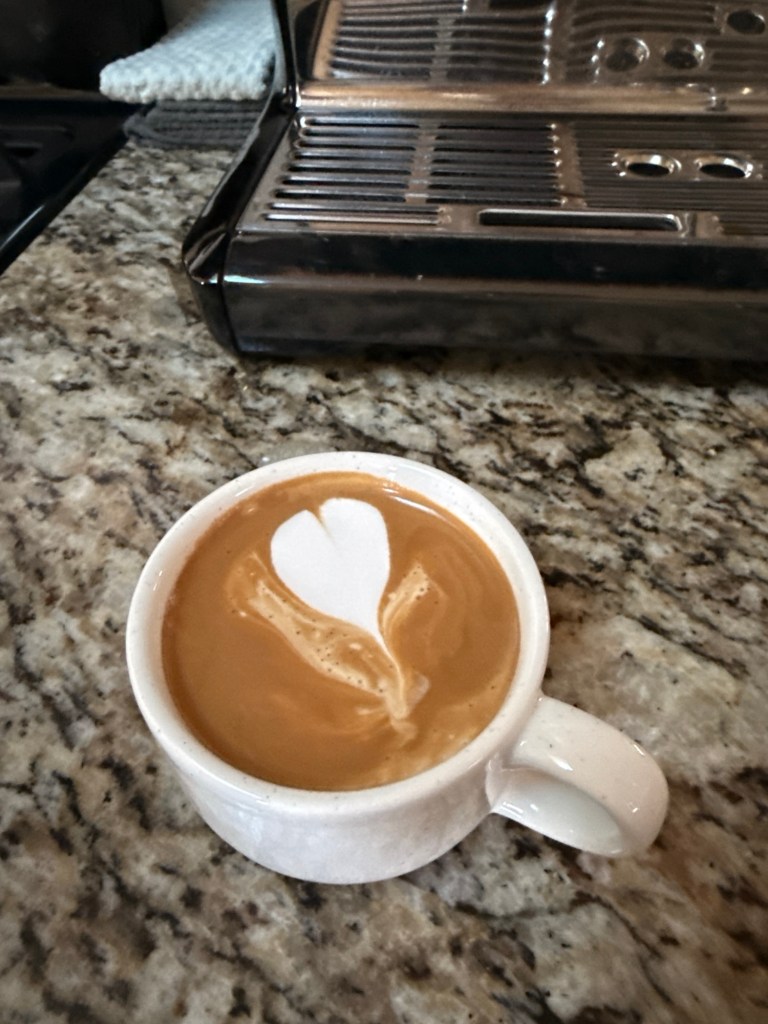
And also the wins — because they do come.
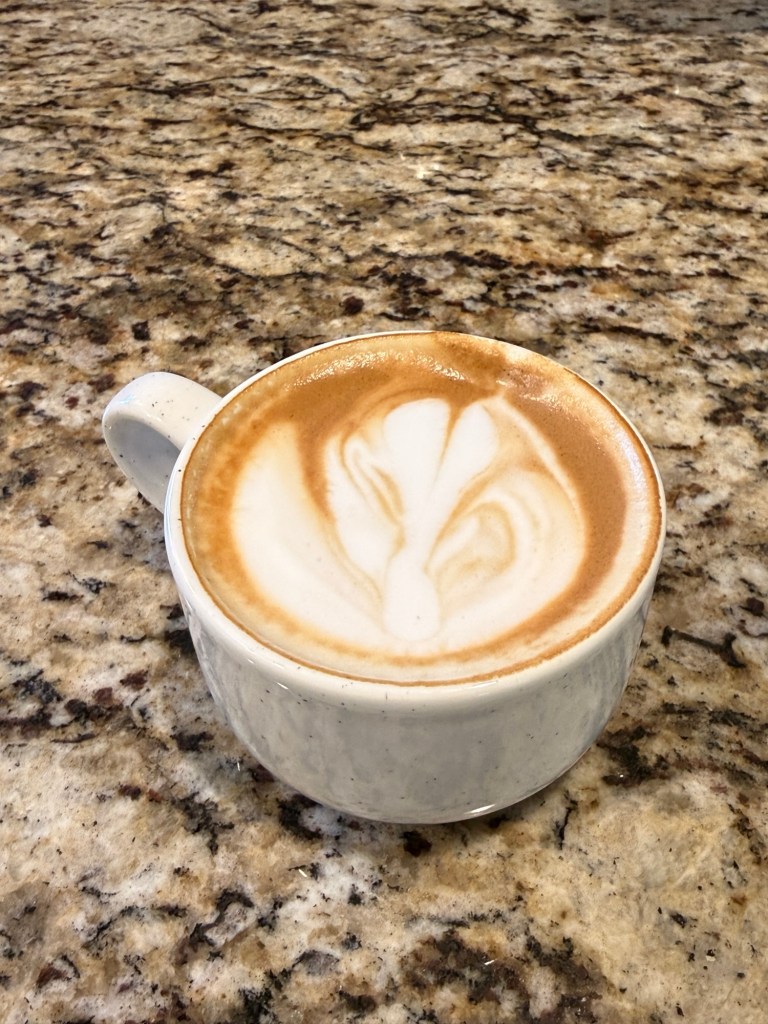
Why I’m Prioritizing Technique Over Speed
Right now, my goal is not to make café-fast drinks.
My goal is to understand:
- How the milk should sound when it’s stretching
- How it should move when it’s swirling
- How the pitcher angle changes the flow
Speed comes later.
If I can pour a beautiful cappuccino slowly, I can eventually pour it beautifully fast. But if I rush bad technique, all I get is rushed bad coffee.
Our Home Cappuccino Setup
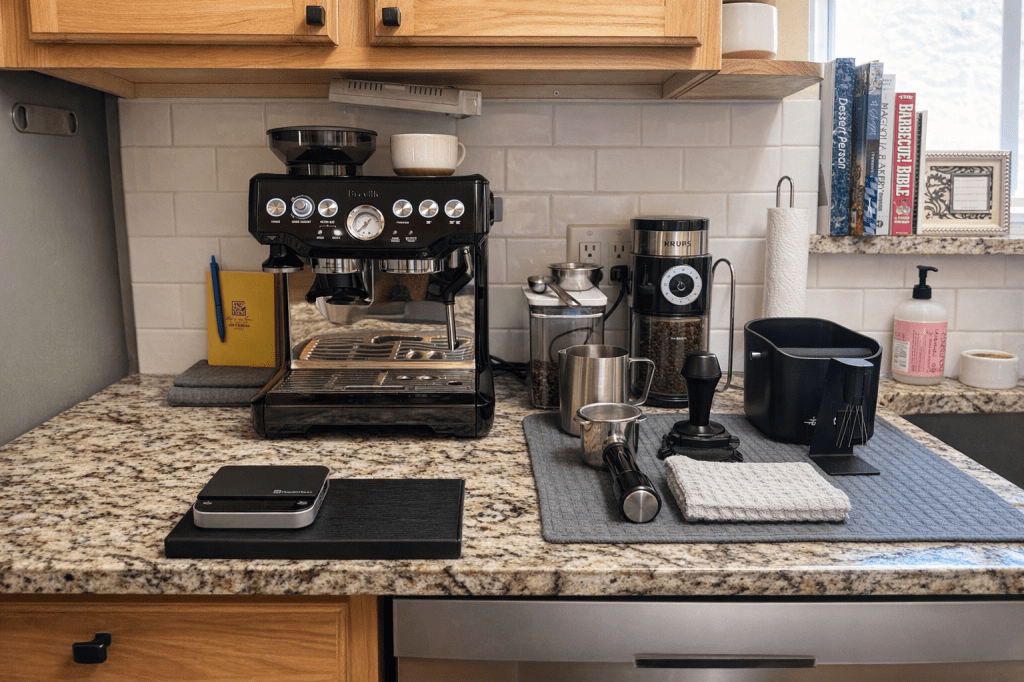
You absolutely do not need a $10,000 espresso bar to make good coffee at home. What you do need is consistency and tools that don’t fight you.
Here’s what we’re currently using in our home setup:
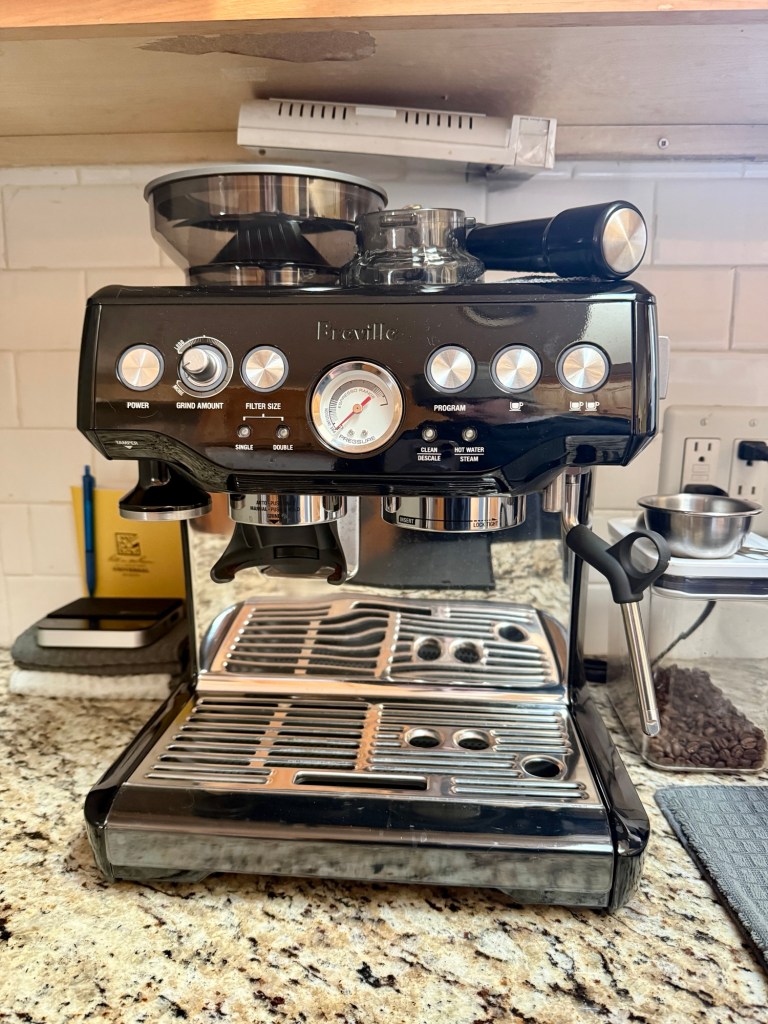
The attached Grinder and Milk Frothing Pitcher that came with the machine
A good grinder matters more than most people realize. Freshly ground, evenly sized coffee is the foundation of every good shot.
The spout shape of the pitcher actually makes a difference when pouring latte art.
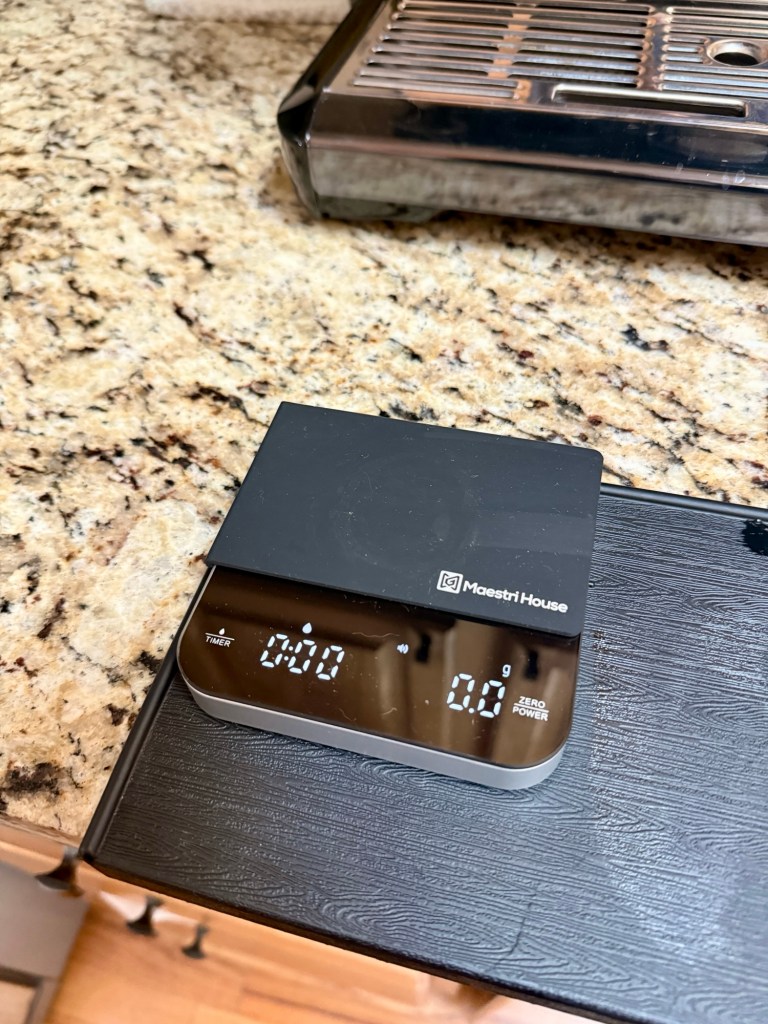
This is how we keep our espresso shots consistent.
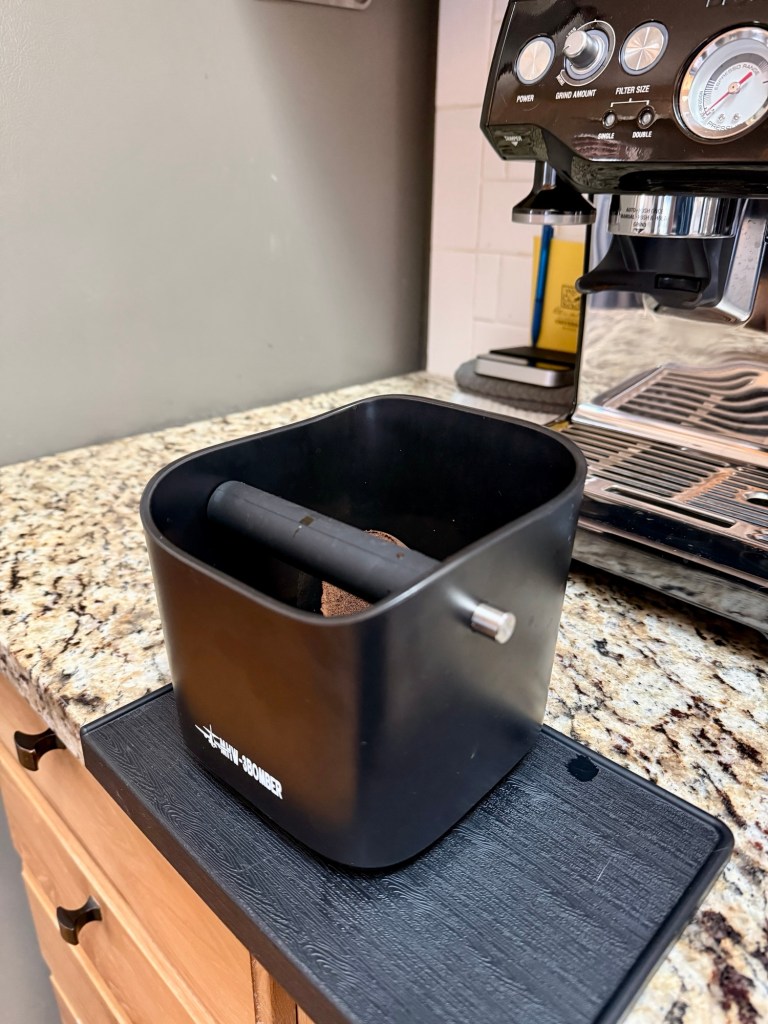
Because banging espresso pucks into the trash is a fast way to crack something you love.
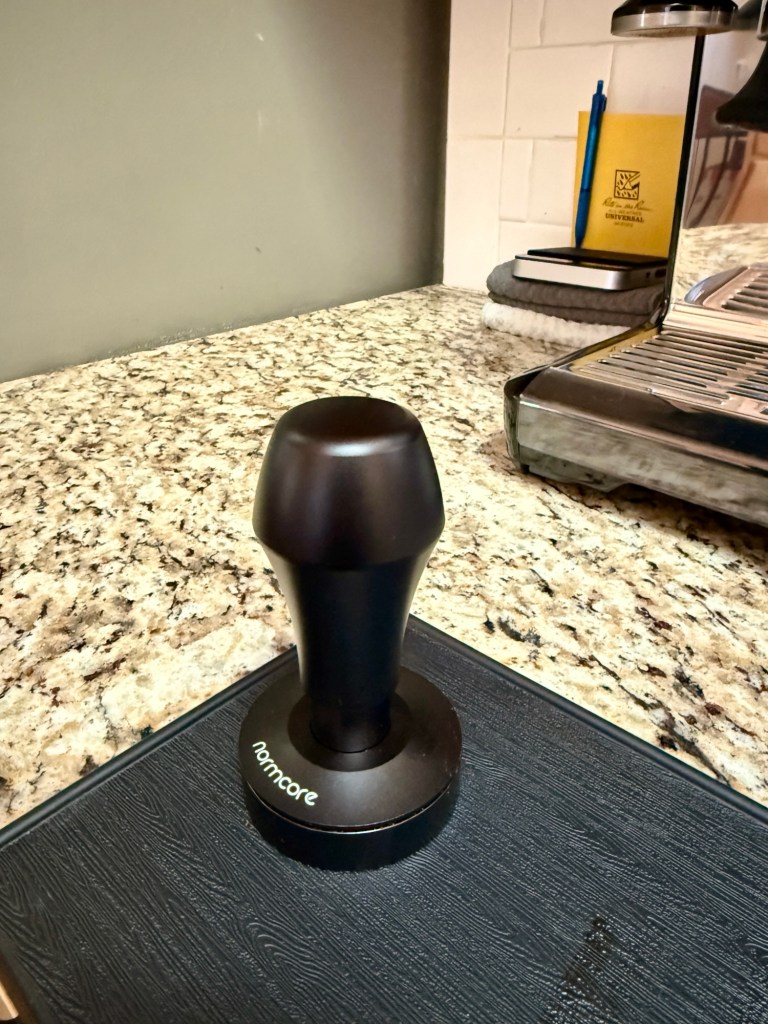
Even pressure = better extraction.
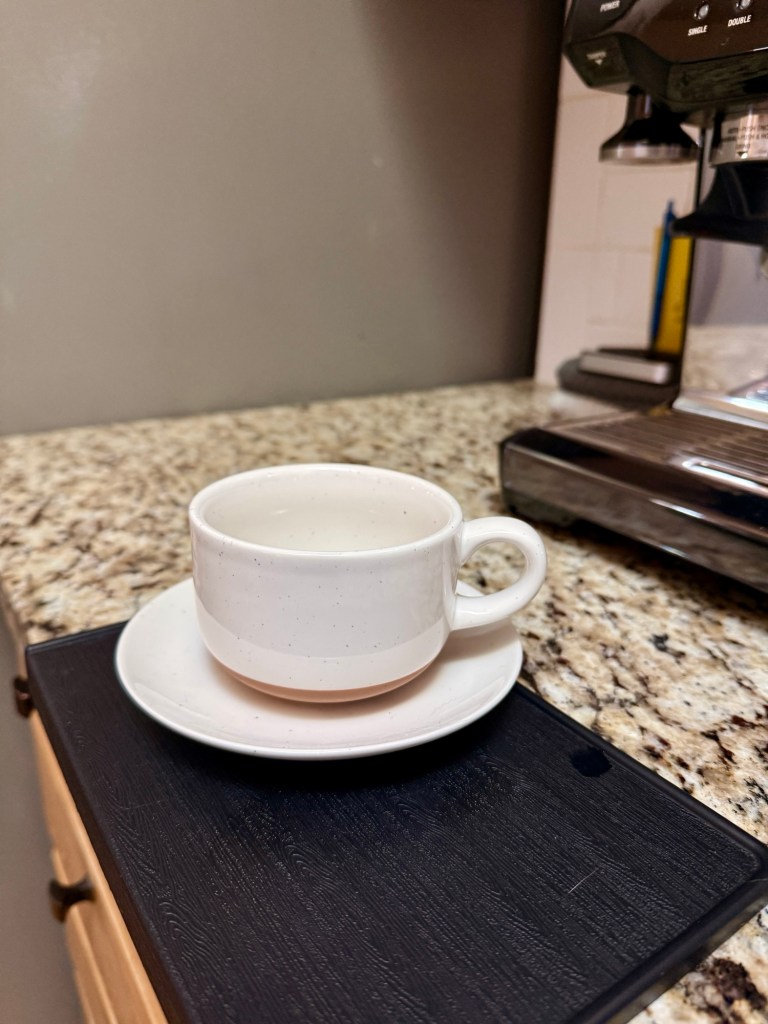
They’re the stage for your tiny foam masterpieces.
(Some of these are affiliate links — they help support this blog at no extra cost to you.)
How We Make a Cappuccino
Here’s our basic flow:
- Grind fresh beans
- Dose and tamp evenly
- Pull the espresso shot
- Steam milk to a glossy, paint-like texture
- Pour slowly, then intentionally
That last step — the pour — is where latte art is born or destroyed.
Watch the Full Video
I walk through this entire process in my first YouTube video, including my very honest pours:
What Latte Art Has Taught Me
Learning latte art has been unexpectedly emotional.
It’s taught me:
- Patience
- Observation
- Letting go when something doesn’t work
- Trying again anyway
And honestly? That mirrors a lot of life right now.
You don’t need to be perfect to be proud of what you’re making.
You just need to keep pouring.
Final Thoughts
If you’re just starting, or even if you’ve been doing this for a while and feel frustrated, I hope this reminds you:
Messy is part of mastery.
You can see all our real-life progress, mistakes and wins here:
And if you’re building your own home coffee corner, everything we use is linked above.
Here’s to crooked hearts, lopsided rosettas, and cups that taste like progress ☕🤍
 In Need of Nature
Leave a comment